
Discover What’s Next in Neuroimmunology Drug Development
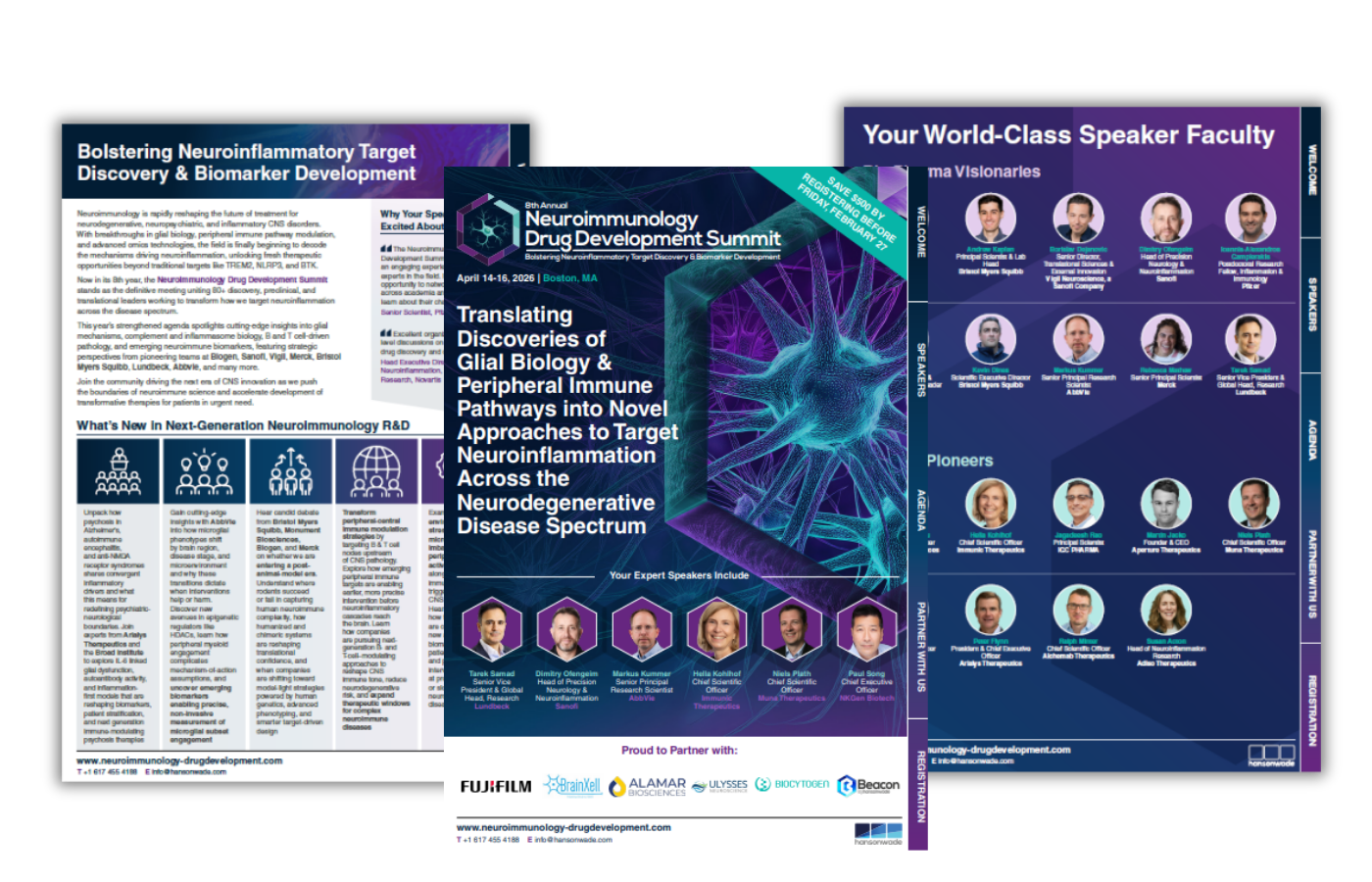
The 8th Neuroimmunology Drug Development Summit is the definitive meeting uniting the brightest minds in pharma, biotech, and academia to accelerate the next generation of immune-modulating therapies for neurodegenerative, neuropsychiatric, and inflammatory CNS disorders.
With Sanofi’s acquisition of Vigil Neuroscience to expand TREM2-targeting assets, Neurocrine’s strategic NLRP3 licensing deal, and growing interest in TYK2 and other immune pathways reshaping CNS drug pipelines, the field is decoding the mechanisms driving neuroinflammation and unlocking fresh therapeutic opportunities beyond established targets like TREM2, NLRP3, and BTK.
Across four immersive workshop sessions and three days of cutting-edge content, you’ll explore how peripheral-central immune interactions, emerging biomarkers, and innovative preclinical models are reshaping how CNS disorders are understood, targeted, and treated.
Expect an agenda packed with actionable insights, interactive discussions, and unparalleled networking opportunities with 50+ senior discovery, preclinical, and translational leaders from Sanofi, Biogen, Pfizer, Merck, Muna Therapeutics, Lundbeck, AbbVie, and more.
Join this exclusive community of scientific and strategic pioneers and be part of the movement transforming neuroimmunology R&D and advancing therapies for patients in urgent need.

Attending Companies Included





What Was New for 2026
New Industry Leaders Presenting
2026 brings together innovative biotech leaders such as Neils Plath from Muna Therapeutics, along with fresh academic research from institutions such as the Broad Institute and Mount Sinai.
Unique Focus on Targeting the Peripheral Immune System
Exploring B and T cell targets, fresh insights into interplay between adaptive and innate immunity, and combined anti-inflammatory and neuroprotective mechanisms with Immunic Therapeutics and Bristol Myers Squibb.
New Deep-Dive on Inflammatory Drivers of Psychosis
Featuring breakthrough insights from the Broad Institute redefining psychiatric–neurological boundaries and informing the next generation of psychosis treatments.
Preclinical & Translational Strategy Debate
Hear candid discussions on the potential post animal model era, humanized and chimeric systems, and smarter target-driven design to improve translational confidence in neuroimmune drug development with Bristol Myers Squibb, Biogen and Merck.
Explore the Full Event Guide
- 50+ discovery, preclinical and translational neuroimmunology experts from leading biopharma and academia
- 3 days of cutting-edge insights across neuroinflammatory targets, glial biology, biomarkers and translational innovation
- Deep-dive agenda strand: Bridging Peripheral and Central Immunity, exploring next-generation B & T cell targets enabling earlier, more precise CNS intervention
- Hear from 25+ top speakers from Sanofi, Biogen, Merck, AbbVie, Bristol Myers Squibb, Lundbeck, Vigil Neuroscience and more
- Unmissable debates on humanized models, emerging insights into inflammation-driven psychosis mechanisms, and early clinical signals from novel neuroimmune-targeting therapies
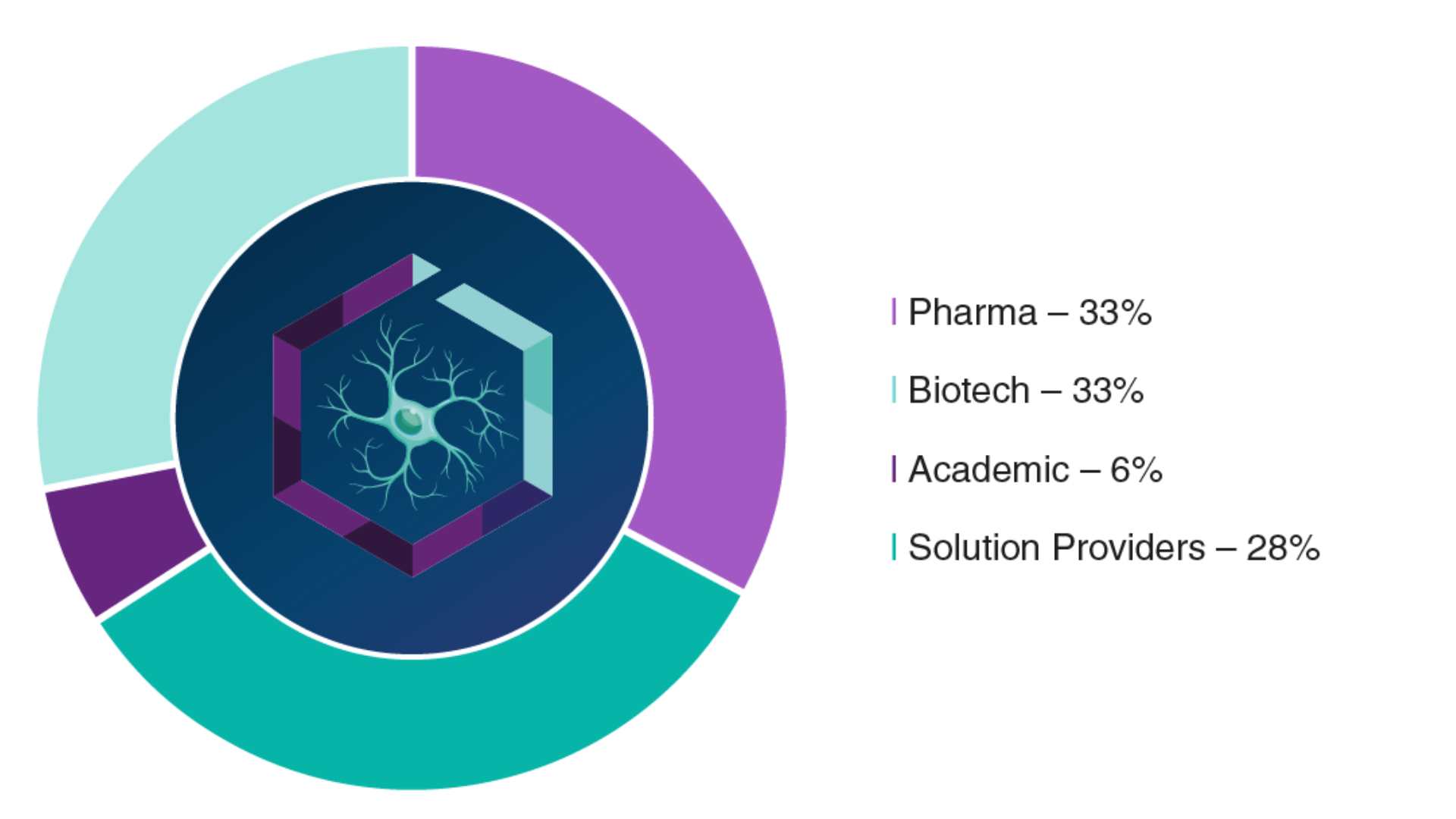
Audience Composition
Company Type
Attendee Seniority

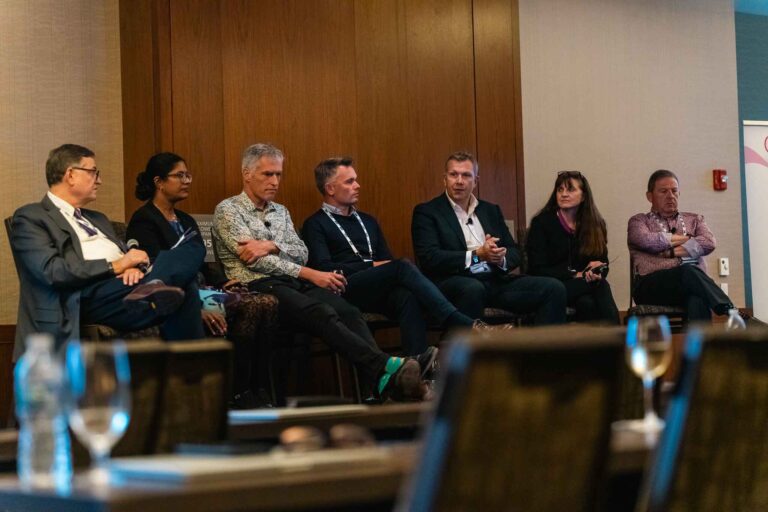
Explore the Agenda
Discover cutting-edge sessions on neuroinflammatory mechanisms, glial biology, peripheral immune targets, and translational biomarkers redefining CNS drug development.
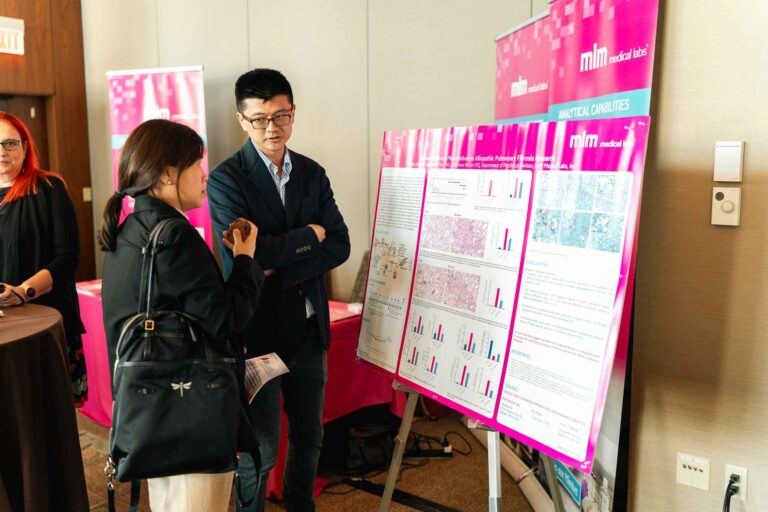
Partner With Us
Connect with senior discovery, preclinical, and translational neuroscientists seeking innovative targets, models, and omics solutions to advance neuroimmunology pipelines.
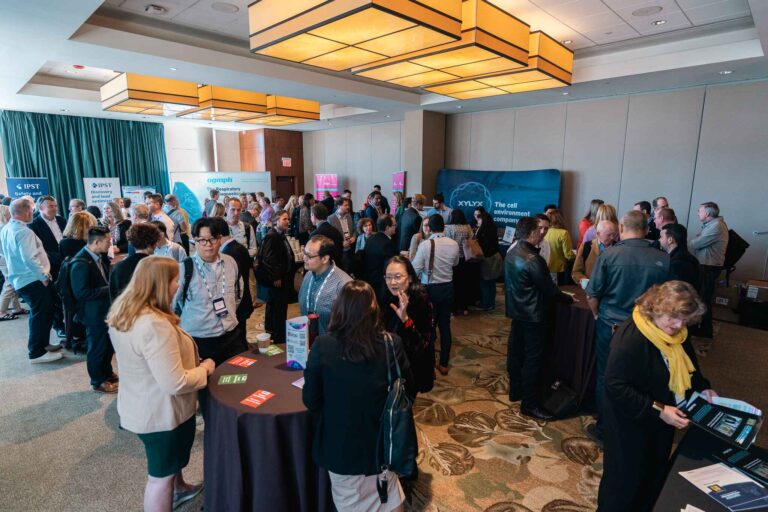
Join Biopharma Experts
Network with industry pioneers shaping the next generation of immune-modulating therapies for neuroinflammatory and neuroimmune disorders.